
ALBA WELLNESS GROUP
When Trust Is Broken, Healing Is Still Possible
You don't have to figure this out alone. Structured, compassionate couples therapy can guide you.
What We Do
You found out. Or you told the truth. Either way, the world you knew together has fractured, and now you're living in the painful, disorienting space between what was and what might be. You may be cycling through rage, grief, numbness, and desperate hope all within the same hour.
You're Googling at 2 a.m. because sleep won't come and you need someone, anyone, to tell you whether your relationship can survive this. We want you to know: what you're feeling is not a sign that it's over. It's a sign that what you had mattered.
At Alba Wellness Group, we specialize in helping couples navigate the aftermath of infidelity using structured, evidence-based approaches, including the Gottman Trust Revival Method and Emotionally Focused Therapy (EFT). These aren't vague "let's talk about your feelings" sessions. They're a clear, phased framework designed specifically for the unique devastation that affairs create. We guide you through atonement, attunement, and attachment, step by step, so you're never left wondering what comes next. Our therapists are trained to hold space for both partners: the one who was betrayed and the one who strayed. No one gets vilified. Everyone gets heard.
Whether you're in the San Fernando Valley or the Antelope Valley, you can access compassionate, expert care close to home or through secure telehealth. In a region as diverse and fast-moving as greater Los Angeles, we know that cultural context, family pressures, and community expectations shape how betrayal is experienced. We honor all of it. You don't need to have decided whether to stay or go before you call; you just need to be willing to show up.
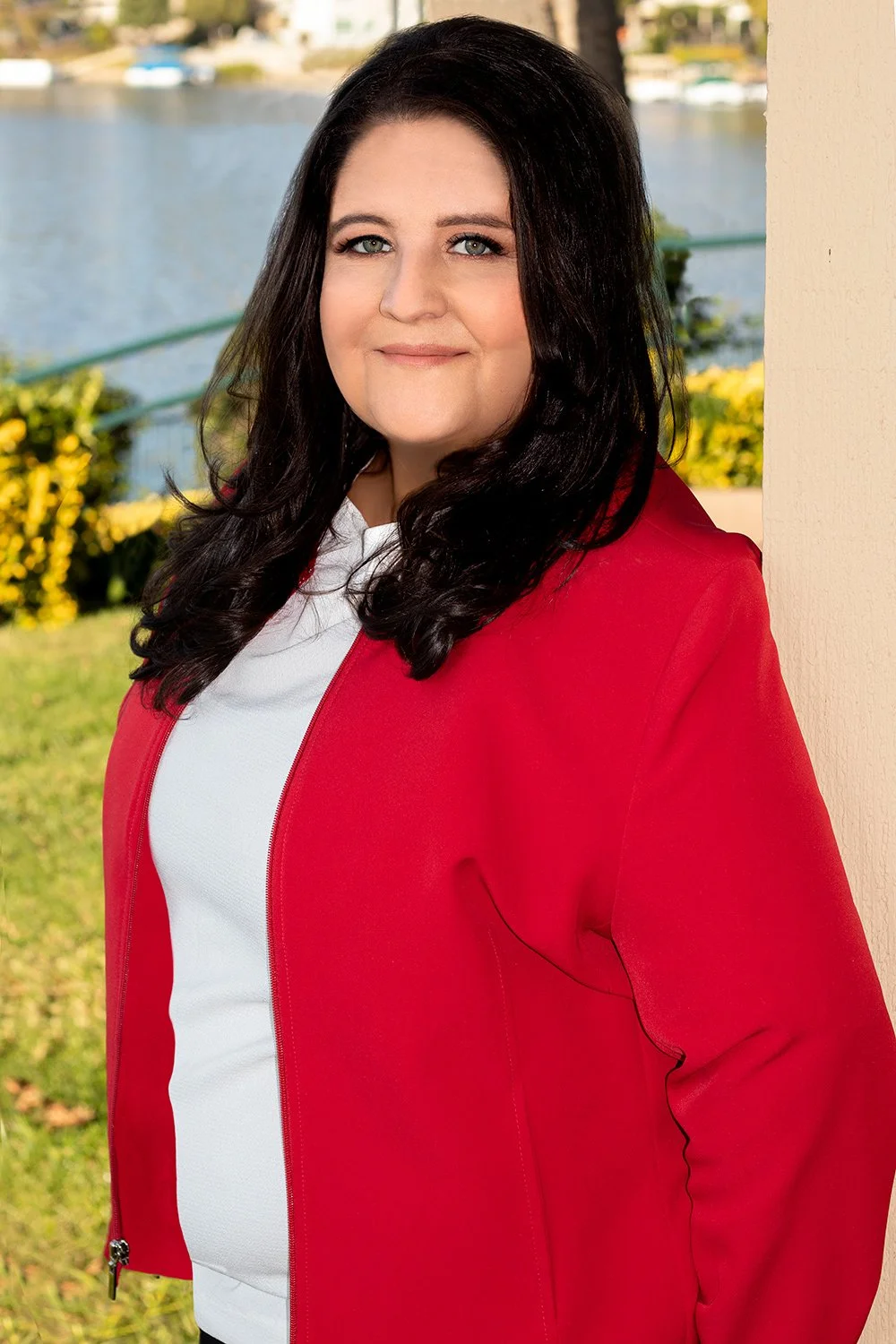
Alba Wellness Group was founded by Patricia Alba, LCSW, a licensed clinical social worker with over twenty years of experience in trauma and mood disorder treatment. With offices in Panorama City and Lancaster, California, the practice provides culturally responsive therapy for adults, children, teens, and couples, specializing in anxiety, depression, LGBTQ+ affirming care, EMDR, and Ketamine-Assisted Therapy.
How We Do It
Couples therapy after an affair is a specialized form of relationship counseling that addresses the specific emotional, psychological, and relational injuries caused by infidelity.
It is fundamentally different from general couples therapy because betrayal creates a trauma response in the injured partner, hypervigilance, intrusive thoughts, and shattered assumptions about safety that require targeted clinical intervention. At Alba Wellness Group, we treat affair recovery as the serious clinical work it is, not a generic communication tune-up.
Our approach integrates two of the most rigorously researched frameworks in the field. The Gottman Trust Revival Method provides a three-phase roadmap: Atonement, in which the unfaithful partner takes full accountability, and the injured partner's pain is witnessed without defensiveness; Attunement, in which both partners rebuild emotional connection by learning to turn toward each other's needs; and Attachment, in which the couple creates a shared narrative of the betrayal, makes meaning from it, and builds a new, more intentional relationship going forward. Alongside this structure, we draw on Emotionally Focused Therapy to access the deeper attachment fears and longings beneath the surface, the desperate need to know "Am I safe with you?" and "Do I still matter?"
Sessions are typically held weekly and range from 50 to 80 minutes depending on the intensity of the work. Early sessions focus heavily on stabilization, reducing reactive conflict, establishing ground rules, and creating enough emotional safety for honest conversation. As therapy progresses, the focus shifts to deeper understanding, vulnerability, and co-creating the relationship you both actually want. Some couples discover they can rebuild something stronger than what existed before; others arrive at the clarity that a respectful, healthy separation is the most loving path forward. Both outcomes are valid, and we support either one without agenda.
Our clinicians bring cultural responsiveness to every session, understanding that infidelity carries different weight across different communities, faith traditions, and family systems, something particularly relevant in the richly diverse neighborhoods of the San Fernando and Antelope Valleys.
✔ Founded by Patricia Alba, LCSW, with over 20 years of clinical experience in trauma and mood disorder treatment
✔ Specialized training in EMDR, DBT, IFS, Psychedelic Assisted Psychotherapy, and psychodynamic treatments
✔ Two established office locations serving the San Fernando Valley and Antelope Valley
✔ Culturally responsive and LGBTQ+ affirming practice
✔ Clinician-centered care model, ensuring therapists are supported to deliver the highest quality treatment
Start Healing Together, Your First Step
Benefits of Therapy at Alba Wellness Group
KEY BENEFITS
-
One of the most terrifying things about the aftermath of an affair is the feeling of freefall, the sense that there's no map, no timeline, no way to know if what you're doing is helping or making things worse. That chaos is exactly what the Gottman Trust Revival Method was designed to address. Developed from decades of clinical research by Drs. John and Julie Gottman, this approach gives you and your therapist a clear, structured path through the three phases of recovery: Atonement, Attunement, and Attachment.
In the Atonement phase, the focus is on the injured partner's pain. The unfaithful partner practices radical accountability, not groveling, not defensiveness, but genuine, sustained willingness to witness the hurt they've caused. In Attunement, both partners begin rebuilding emotional responsiveness through structured dialogues and conflict management tools that replace the destructive patterns that may have preceded the affair. In the Attachment phase, you co-create a new story, not one that erases what happened, but one that integrates it and allows both of you to move forward with clarity and intention.
For couples in the San Fernando Valley and Antelope Valley navigating this process, having a structured framework matters enormously. It means your therapy isn't random or meandering; every session has direction, every phase has a purpose, and you can see where you're headed even when the emotional terrain feels impossible. Our therapists are trained to guide you through each transition with clinical precision and genuine compassion.
-
If you're the partner who was betrayed, you may fear that therapy will rush you to forgive before you're ready, or that the therapist will treat the affair as a "both sides" issue when it feels like a clear violation. If you're the unfaithful partner, you may fear being cast as the permanent villain, that every session will be another round of punishment with no path toward redemption. Both fears are valid. And both are barriers that prevent couples from getting the help they desperately need.
At Alba Wellness Group, our therapists create a therapeutic environment where the injured partner's pain is fully honored, and the unfaithful partner is not reduced to a caricature. Accountability is non-negotiable; the person who broke trust must own the impact of their choices clearly and repeatedly. But accountability is not the same as perpetual punishment. Our clinicians use Emotionally Focused Therapy to help both partners access the vulnerable emotions beneath their protective stances: the betrayed partner's terror that they'll never feel safe again, and the unfaithful partner's shame that threatens to shut down the very openness recovery requires.
This balance is especially important in a community as culturally diverse as greater Los Angeles, where shame around infidelity may be amplified by religious expectations, extended family involvement, or cultural norms about gender roles in relationships. Our culturally responsive approach means we never impose a one-size-fits-all narrative about what betrayal means or what healing should look like. We meet you in your context, your values, your family system, your lived experience, and create space for both of you to be fully human in the room.
-
Affairs don't happen in an emotional vacuum, and the pain they cause reaches far deeper than broken rules or violated agreements. Beneath the rage and the betrayal, there are attachment wounds, primal fears about being abandoned, being unworthy of love, being fundamentally alone. Emotionally Focused Therapy (EFT) is one of the most extensively researched and effective modalities for accessing these deeper layers of emotional experience and transforming how partners relate to each other at the most fundamental level.
EFT works by helping couples identify the negative interaction cycles that keep them stuck, pursue-withdraw, attack-defend, freeze-explode, and understand the attachment needs driving those cycles. When the betrayed partner erupts in anger, EFT helps them articulate the terror underneath: "I'm scared you'll leave again. I'm scared I'm not enough." When the unfaithful partner shuts down, EFT helps them express the shame beneath the silence: "I don't know how to face what I've done. I'm afraid you'll never see me as anything but a failure." These moments of raw vulnerability, when held safely, become the building blocks of a new kind of emotional bond.
Research consistently shows that EFT produces lasting results, with recovery rates of 70-75% for distressed couples and relationship satisfaction improvements that hold over time. For couples in our Panorama City and Lancaster offices, this means that the work you do in session isn't just crisis management. It's foundational repair that changes how you connect long after therapy ends. When combined with the structural clarity of the Gottman Trust Revival Method, EFT provides both the roadmap and the emotional depth needed for genuine, lasting recovery.
-
One of the most paralyzing aspects of discovering or disclosing an affair is the crushing pressure to decide the future of your relationship immediately. Friends and family may have strong opinions. Your own mind may swing wildly between "I want to fight for this" and "I need to leave" sometimes within the same conversation. The truth is, you don't have to know whether you want to stay together to start couples therapy. In fact, trying to force that decision before you've processed the trauma often leads to choices you'll second-guess for years.
At Alba Wellness Group, we call this the "discernment space," a period where the goal of therapy isn't to save the relationship or end it, but to help both partners gain enough clarity, stability, and self-understanding to make a truly informed decision. Our therapists are explicitly non-agenda. We don't believe it's our job to keep couples together or to validate separation. Our job is to help you understand what happened, what you each need, and what's genuinely possible, and then to support whatever path you choose with the same level of care and commitment.
This approach is particularly liberating for couples who feel trapped between cultural or religious expectations to stay and their own internal experience that something fundamental has broken. In communities across the San Fernando and Antelope Valleys, we see couples navigating these tensions every day. We hold space for the complexity without rushing the resolution. Some couples discover through this process that their relationship can be rebuilt into something more honest and intimate than before. Others discover that the most loving and respectful choice is to part ways. Both outcomes are honored. What matters is that you arrive there with clarity, not reactivity.
-
When you're in the acute aftermath of an affair, waiting weeks for an appointment can feel unbearable. The emotional intensity of betrayal doesn't respect business hours, and the window of motivation, where both partners are willing to try, can close quickly if logistical barriers get in the way. At Alba Wellness Group, we've structured our practice to reduce these barriers as much as possible.
We offer appointments at two physical locations, our Panorama City office in the heart of the San Fernando Valley and our Lancaster office serving the Antelope Valley, as well as secure telehealth sessions for couples anywhere in California. This means that whether you're managing work schedules, childcare, or the simple reality that sitting in a waiting room together right now feels excruciating, there are options that work for your situation. Telehealth sessions use HIPAA-compliant platforms and are conducted with the same clinical rigor as in-person sessions.
We also understand that for many couples, the logistics of attending therapy together present unique challenges: coordinating schedules, finding childcare, navigating the emotional difficulty of being in the same car on the way to a session about the affair. Our team works with you to find appointment times that reduce friction and honor the practical realities of your life. Because the hardest part should be the emotional work, not the logistics of getting there.
-
Infidelity carries different weight in different cultural contexts. In some communities, discussing marital problems with an outsider is itself a form of betrayal. In others, gender expectations create vastly different consequences for men and women who have affairs. Religious frameworks may add layers of moral judgment that intensify shame. Immigration stress, financial pressures unique to specific communities, and extended family dynamics all shape how an affair is experienced and what recovery looks like. Cookie-cutter approaches to affair therapy ignore all of this.
At Alba Wellness Group, cultural responsiveness isn't an add-on; it's embedded in how we practice. Founded by Patricia Alba, LCSW, on the principle that healing happens when people feel truly seen and valued as they are, our practice was built to serve the diverse communities of greater Los Angeles. Our clinicians bring awareness of how race, ethnicity, sexual orientation, gender identity, faith, immigration status, and socioeconomic context shape relationship dynamics and the experience of betrayal. We don't make assumptions about what your affair means to you; we ask, we listen, and we follow your lead.
This is especially important for LGBTQ+ couples, interracial couples, and couples from immigrant backgrounds who may have experienced other therapists imposing mainstream cultural norms on their relationship. Whether you're navigating this crisis in Spanish or English, within a traditional family structure or a non-traditional one, our goal is the same: to provide expert clinical care that respects the full complexity of who you are. You deserve a therapist who understands that your cultural context isn't background noise; it's central to your healing.
Our Services
Couples Therapy, Affair Recovery
Our core offering for couples navigating infidelity. Using the Gottman Trust Revival Method and Emotionally Focused Therapy, we provide a structured, phased approach to understanding what happened, processing the pain, and making informed decisions about the future of your relationship. Available in-person at our Panorama City and Lancaster offices or via telehealth.
Emotionally Focused Therapy (EFT)
EFT is an evidence-based approach that helps couples identify and transform the negative interaction patterns driving disconnection. Particularly effective for affair recovery, EFT accesses the deep attachment needs beneath surface-level conflict, helping partners rebuild emotional safety and secure bonding from the ground up.
EMDR and Trauma Therapy
For betrayed partners experiencing PTSD-like symptoms, flashbacks to discovery, obsessive mental imagery, and emotional flooding, EMDR (Eye Movement Desensitization and Reprocessing) can help reduce the intensity of traumatic memories so that productive couples work becomes possible. Often used as a complement to ongoing couples therapy.
Individual Therapy for Affair-Related Trauma
Sometimes one or both partners need individual support alongside couples’ work. We offer individual therapy to help the betrayed partner process trauma responses, intrusive thoughts, hypervigilance, and grief, and to help the unfaithful partner explore the underlying issues that contributed to the affair, including shame, avoidance, and unmet needs.
LGBTQ+ Affirming Relationship Therapy
Infidelity in LGBTQ+ relationships comes with unique considerations: different community norms around monogamy, the added weight of seeking support in spaces that may not understand your relationship, and the intersection of identity-based stress with relationship trauma. Our affirming therapists provide knowledgeable, respectful care without assumptions.
Our Process
Step 1
Reach Out, A Free 15-Minute Consultation
Your first step is simply making contact, and we've made it as low-pressure as possible. Call us at (818) 741-2906 or use our contact page to schedule a free 15-minute phone consultation. During this conversation, you'll briefly share what's bringing you in, ask any questions you have, and get a sense of whether our approach feels right. There's no commitment, no clinical assessment, just a human conversation to help you decide if this is the right fit. We typically respond within one business day, and we understand that the partner initiating the call may be doing so before the other is fully on board. That's okay. We can talk about that too.
Step 2
Your First Session, Assessment and Stabilization
In your initial session (typically 60-80 minutes), your therapist will meet with both of you together to understand the current state of your relationship, the timeline and impact of the affair, and what each of you hopes to gain from therapy. This is not a session where anyone is put on trial. It's a clinical assessment designed to understand the full picture, emotional safety levels, communication patterns, and immediate needs. Your therapist will also explain the Gottman Trust Revival framework, so you know exactly what the process looks like. Some couples also have brief individual check-ins in early sessions to ensure both partners feel safe enough to be honest.
Step 3
Phase One, Atonement
The first therapeutic phase focuses entirely on the injured partner's experience. The unfaithful partner practices sustained, non-defensive accountability, answering questions honestly, tolerating the betrayed partner's emotional responses, and demonstrating through consistent action that they understand the gravity of what happened. Your therapist facilitates these conversations to prevent them from becoming re-traumatizing cycles of interrogation and defensiveness. This phase typically spans several weeks and continues until the betrayed partner experiences a genuine sense of being heard and the unfaithful partner has demonstrated reliable accountability. It is often the most painful phase, and the most essential.
Step 4
Phase Two, Attunement and Reconnection
Once a foundation of accountability is established, therapy shifts to rebuilding emotional connection. Using EFT techniques and Gottman attunement exercises, you'll learn to identify and interrupt the negative cycles that erode trust, and replace them with patterns of turning toward each other. This phase addresses the underlying relationship dynamics that may have existed before the affair, not as justification for infidelity, but as important context for building something different going forward. You'll develop concrete communication skills, practice vulnerability in structured ways, and begin to experience moments of genuine emotional closeness again. This phase varies in length depending on the couple but typically spans two to four months.
Step 5
Phase Three, Attachment and Moving Forward
In the final phase, you and your partner co-create a shared narrative of the affair, what happened, what it meant, and how you've both been changed by the process of recovery. This isn't about agreeing on every detail; it's about integrating the experience into your relationship story in a way that allows both of you to move forward with honesty and intention. You'll also establish ongoing rituals of connection, discuss boundaries and agreements for the future, and create a relapse prevention plan for moments when old fears resurface. Some couples graduate from weekly sessions to biweekly or monthly check-ins during this phase as they transition to greater independence.
Our Approach
At Alba Wellness Group, we believe that the work of affair recovery is fundamentally different from general couples therapy, and it requires clinicians who understand that difference at a clinical, emotional, and cultural level.
Our approach is grounded in the conviction that neither partner should be reduced to a label. The person who was betrayed is not simply a "victim," and the unfaithful person is not simply a "perpetrator." Both are complex human beings in extraordinary pain, and both deserve a therapeutic space where their full humanity is honored.
Our clinical methodology integrates two gold-standard approaches. The Gottman Trust Revival Method provides the structural backbone, a researched, phased framework that moves couples from crisis through accountability, reconnection, and eventually, forward motion. Emotionally Focused Therapy provides the emotional depth, accessing the attachment longings and fears that drive behavior, breaking through defensive walls, and creating the kind of vulnerable connection that makes lasting change possible. These two modalities complement each other beautifully: Gottman gives you the roadmap, and EFT gives you the emotional fuel to travel it.
We are also deeply informed by our founder Patricia Alba's two decades of experience in trauma treatment. Infidelity creates a genuine trauma response in many betrayed partners, complete with flashbacks, hypervigilance, and emotional dysregulation, and our therapists are trained to recognize and treat these symptoms with the same clinical seriousness they would bring to any other form of trauma. When individual trauma processing is needed, we can integrate EMDR or other modalities seamlessly alongside couples work.
Finally, our approach is shaped by the communities we serve. The San Fernando Valley and Antelope Valley are among the most culturally diverse regions in the country, and we bring that awareness into every session. We understand that for some couples, simply being in therapy represents a courageous departure from cultural norms. We understand that family systems, faith communities, and immigration experiences all influence how betrayal is processed and what healing looks like. We don't impose a template; we listen, we adapt, and we walk with you through your specific version of this universal human experience.
Patricia Alba, LSCW
Owner, Licensed Clinical Social Worker
Frequently Asked Questions
-
One partner can absolutely initiate the process. It's extremely common for one person, usually the betrayed partner, to make the first call. During your free consultation, we can discuss strategies for inviting your partner into the process. In some cases, we may recommend a brief period of individual therapy to help the more reluctant partner feel safe enough to begin couples work. The important thing is that you don't wait for perfect conditions to reach out.
-
Every couple's timeline is different, but most affair recovery work spans approximately 6 to 12 months of weekly sessions. The Atonement phase may take several weeks to a few months; Attunement often spans two to four months; and the Attachment phase transitions into less frequent sessions as you build independence. Your therapist will check in regularly about pacing and adjust the plan based on your progress and needs.
-
Yes. Everything discussed in couples therapy is confidential and protected under California law, with standard exceptions for imminent danger to self or others, and mandated reporting of child or elder abuse. If individual sessions occur alongside couples work, your therapist will discuss confidentiality boundaries clearly so both partners understand what is and isn't shared between individual and joint sessions. We take privacy extremely seriously.
-
Absolutely not. Many couples who go through affair recovery therapy decide to separate, and they do so with far greater clarity, mutual respect, and emotional health than couples who separate without professional support. The skills you learn, communication, emotional regulation, self-understanding, benefit you regardless of whether you stay together. A healthy separation is a legitimate and valuable outcome of this work.
-
Yes to both. Alba Wellness Group is proudly LGBTQ+ affirming, and we provide culturally responsive care that honors the full spectrum of identities, backgrounds, and relationship structures. Please mention any language or cultural preferences when you [schedule your consultation](/contact), and we'll match you with the right therapist for your needs.
Your Relationship Deserves This
Take the first step toward clarity and healing, free, confidential, no pressure.