
Back-to-School Anxiety in Teens
The supplies are bought and the schedule is printed, and your teenager has gone quiet. Maybe they are sleeping badly, snapping at their siblings, spending longer than usual in their room, or asking a version of the same question every night: what if my classes are too hard, what if my friends changed over the summer, what if I have nobody to sit with. Or maybe they are saying nothing at all, and you can just feel the tension in the house rising as the first day gets closer.
Back-to-school anxiety is one of the most common things families bring up in late August and September, and it is far more than nerves about a new binder. For teenagers, school is where almost everything important is happening at once: identity, friendship, status, academic pressure, and the constant low hum of being watched. This article looks at why the transition is genuinely hard, what anxiety tends to look like in teens, specific ways to help, what to avoid, and how to tell when it is time to bring in support.
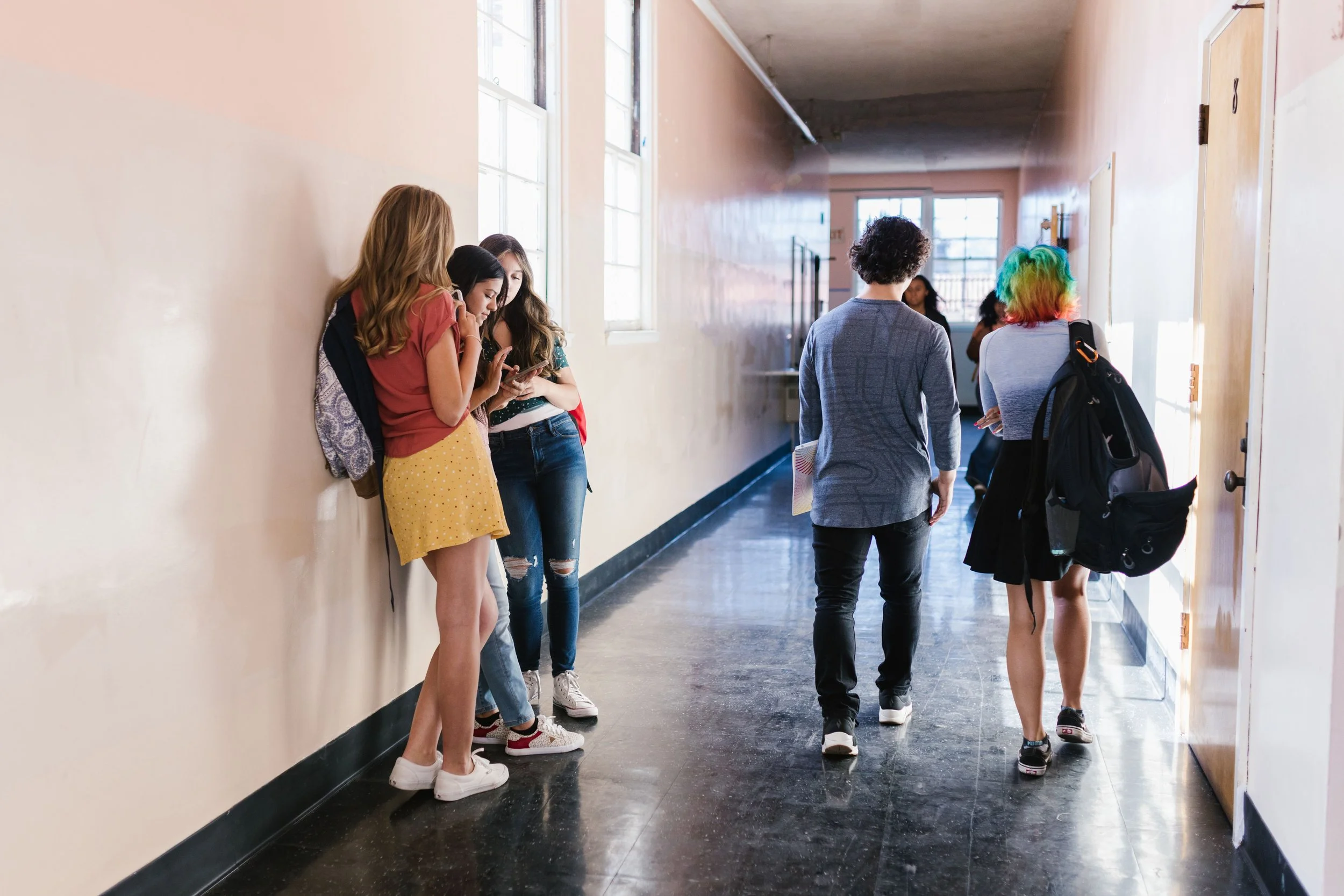
Why the Start of School Is Genuinely Hard
Adolescence is a period of intense social calibration. A teenager's brain is wired to care deeply about where they stand with peers, which is not vanity but development doing its job. Returning to school means re-entering a social environment that reshuffled itself over the summer, with no reliable way to know in advance who will still save them a seat. Add a new campus, a harder course load, or a schedule that starts before their body is ready to be awake, and the stress adds up quickly.
Some teens are also carrying things adults do not see on the calendar. A student who is one of only a few kids of color in an honors class may spend energy all day on things classmates never think about. A queer or trans teen may be calculating which teachers use their name, which bathroom feels safe, or what happens if a family member finds out something they are not ready to share. A teen who is the family translator, or who picks up siblings after school, may be walking in with a full plate before first period. None of this means something is wrong with your teen. It means the load is real.
What Anxiety Actually Looks Like in Teenagers
Adults tend to picture anxiety as visible worry. In teenagers it often arrives disguised, because the feeling is uncomfortable and the most available tools are avoidance and irritation. A teen who is anxious about school may look angry, lazy, or oppositional long before they look scared, and responding to the surface behavior instead of what is underneath usually escalates things for everyone.
It also frequently speaks through the body. Stomachaches and headaches on school mornings are not fabricated. Anxiety produces real physical symptoms, and teens often notice those before they can name the emotion driving them.
Signs worth paying attention to
Trouble falling asleep, or waking early with a knot in the stomach
Stomachaches, headaches, or nausea that cluster around school mornings
Irritability, short answers, or unusual conflict with siblings
Reassurance-seeking: asking the same worry question over and over
Withdrawing from friends, activities, or a sport they used to like
Procrastinating on anything school-related, then panicking about it
Perfectionism, or refusing to start work they might not do well
Asking to stay home, or requests to change schools or drop a class
One or two of these during the first couple of weeks is ordinary adjustment. A cluster of them that is still going strong a month in, or that is keeping your teen out of school, is a sign they need more help than encouragement.
Five Ways to Help Without Making It Bigger
The goal is not to remove your teen's anxiety, which is not possible, but to help them carry it while still doing the thing. Choose the approaches that fit your kid and your family, and expect this to take a few weeks rather than one good conversation.
1. Validate first, and resist the urge to fix
Anxious teens usually stop talking the moment they sense a lecture coming. Start by reflecting what you hear: "It sounds like you're dreading lunch more than the classes." Then wait. Silence is not failure; it is space.
Once your teen feels understood, they are far more open to problem-solving, and often they get there themselves. Validation is not agreeing that the fear is accurate. It is agreeing that the feeling makes sense.
2. Aim for confidence, not certainty
Teens ask questions that have no honest answers: will I make the team, will she still be my friend, what if I fail. Reassurance like "you'll be fine" tends to bounce off, because it is a promise you cannot keep and they know it.
Try expressing confidence in them instead of in the outcome. "I don't know how tryouts will go. I do know you handled a hard thing last spring, and you'll handle whatever this turns out to be." That is both true and steadying.
3. Rebuild the boring structure early
Sleep is the single biggest lever most families have, and it is the one that erodes over summer. Start shifting bedtime and wake time about two weeks out, in fifteen or twenty minute steps, and move screens out of the last hour before sleep where you can.
Predictable meals, a set place where homework happens, and a rough after-school rhythm all reduce the number of decisions an anxious brain has to make. Structure will not fix anxiety, but it removes a lot of friction.
4. Shrink the first step
Avoidance provides relief, then makes the fear larger. Rather than pushing your teen into the deep end, work together on a first step small enough to actually happen: texting one friend before day one, walking the campus, emailing a teacher a question, or attending one club meeting with no commitment beyond that.
Each completed small step teaches the nervous system something reassurance cannot: I did the hard thing and survived it. That is where real confidence comes from.
5. Watch your own anxiety in the room
Teens read parents closely. If your worry about their worry is spilling out as constant check-ins or crisis-toned questions, they will often either shut down or borrow your alarm.
You are allowed to be concerned. Just try to process the bulk of it somewhere other than in front of your kid, whether that is with a partner, a friend, or your own therapist.
Together these five practices add up to a message teens rarely get directly: this is hard, I believe you can do hard things, and I am not going anywhere while you figure it out.
A Few Things to Avoid
Some well-intentioned responses tend to backfire, usually because they either dismiss the feeling or accidentally reinforce avoidance. It is worth knowing what they are, and worth forgiving yourself for having used most of them at some point.
Minimizing: "It's just school, everyone gets nervous."
Comparing: "Your brother never had a problem with this."
Interrogating right after school, before they have decompressed
Letting your teen stay home repeatedly, which lowers stress today and raises it tomorrow
Taking over communication with teachers your teen could handle with coaching
Promising outcomes you cannot control
When It Is Time to Bring In Support
Some anxiety at the start of school is normal and passes as routines settle. It is worth talking with a professional when the anxiety is not easing after several weeks, when your teen is missing school or repeatedly asking to leave early, when panic symptoms appear, when eating or sleeping changes significantly, when they pull away from friends entirely, or when they say things suggesting they feel hopeless. Any mention of self-harm or of not wanting to be here should always be taken seriously and addressed right away; the 988 Suicide and Crisis Lifeline is available by call or text at any time.
Therapy gives teens a place that is entirely theirs, which matters more than most parents expect. A good fit for an adolescent is a clinician who does not talk down to them, who takes their world seriously, and who understands the cultural and family context they are living in. If you want a sense of how that works and what sessions actually look like, you can read more about therapy for teens at Alba Wellness Group, including in-person appointments in Panorama City and Lancaster and telehealth for families anywhere in California.
The Bigger Picture
A hard September does not predict a hard year. Most teens who struggle in the first weeks settle in once the unknowns become known, especially when the adults around them stay steady, curious, and willing to sit with discomfort rather than rush to solve it. Your job is not to make school easy. It is to be the person your teenager can come back to when it is not.
If your teen has been anxious, withdrawn, or unusually irritable and none of what you have tried is landing, reaching out is a reasonable next step rather than a last resort. Alba Wellness Group works with teens, adults, and families across California, in English and in Spanish, and welcomes teens of color and LGBTQ+ youth who deserve a space where they do not have to explain themselves before they can begin.
At Alba Wellness Group, we believe everyone deserves a space where they can heal, grow, and truly belong. If you're ready to take the next step in your journey, we're here to walk alongside you; contact us today for your free consultation.